When we settle in for a round of online blackjack or give the reels a spin of a digital slot, we seldom consider about the invisible mathematics happening behind the screen. Yet every outcome depends on a piece of software called a Random Number Generator, or RNG. For Canadian players who have confidence in platforms like Slotoro Casino with their time and money, understanding how RNG certifications work is not just a technical curiosity—it is a fundamental consumer right. We believe that transparency builds trust, and nothing is more central to fair play than a properly certified RNG. This article pulls back the curtain the rigorous processes, independent audits, and regulatory frameworks that ensure every card dealt and every symbol landed is genuinely unpredictable and free from manipulation.
How Does an RNG and Why Does It Matter?
At its core, a Random Number Generator is an algorithm created to create a sequence of numbers that has no any discernible pattern. In an online casino setting, those numbers are mapped onto game outcomes—a roulette round, a poker game, or the configuration of symbols on a slot machine. Without a true source of randomness, games could be manipulated or rigged, eroding player faith and violating gambling regulations across Canada. We rely on RNGs to simulate the chance of physical dice or randomized cards, but in the digital world that chance must be engineered and verified. The distinction between a pseudo-random algorithm and a cryptographically secure one can mean the distinction between a fair game and a statistical disaster. That is why auditing is crucial: to demonstrate that the underlying code functions as advertised under every conceivable condition.
The method RNG Certifications Are Acquired (Step-by-Step)
Acquiring an RNG certification is a several-stage process that can take weeks or even months. We have observed the procedure personally and can detail the standard path a game provider needs to undergo before a badge of approval shows up on a casino’s footer. The process is designed to be exhaustive, merging source code review, statistical analysis, and live environment monitoring. Here we present a shortened look at the path from submission to certification:
- Source Code Submission: The developer provides the complete RNG source code, along with all associated libraries and seeding routines, to the testing laboratory under strict non-disclosure agreements.
- Static Code Analysis: Engineers examine the logic for vulnerabilities, deterministic shortcuts, or hardcoded values that might undermine randomness.
- Statistical Output Testing: The lab creates massive datasets—often hundreds of billions of outcomes—and submits them through standardized test suites to identify bias, periodicity, or correlation anomalies.
- Entropy Source Validation: If the RNG uses a hardware-based entropy collector or an environmental noise sampler, the lab checks that the entropy source is real and not simulated.
- Integration Review: Testers check how the RNG interacts with the game engine, ensuring that no intermediate layer can alter the raw numbers before they are converted into game results.
- Ongoing Monitoring Agreement: Certification is not permanent; the operator commits to periodic re-evaluations and remote integrity checks to make sure the RNG continues to be unchanged.
Only after fulfilling all these requirements will a laboratory issue a formal certificate, obtenir les détails, which the casino is then able to present to licensing authorities and display to players. This certificate often features a unique reference number that anyone can confirm on the laboratory’s public register, adding another layer of accountability.
Auditing Bodies: The Overseers of iGaming
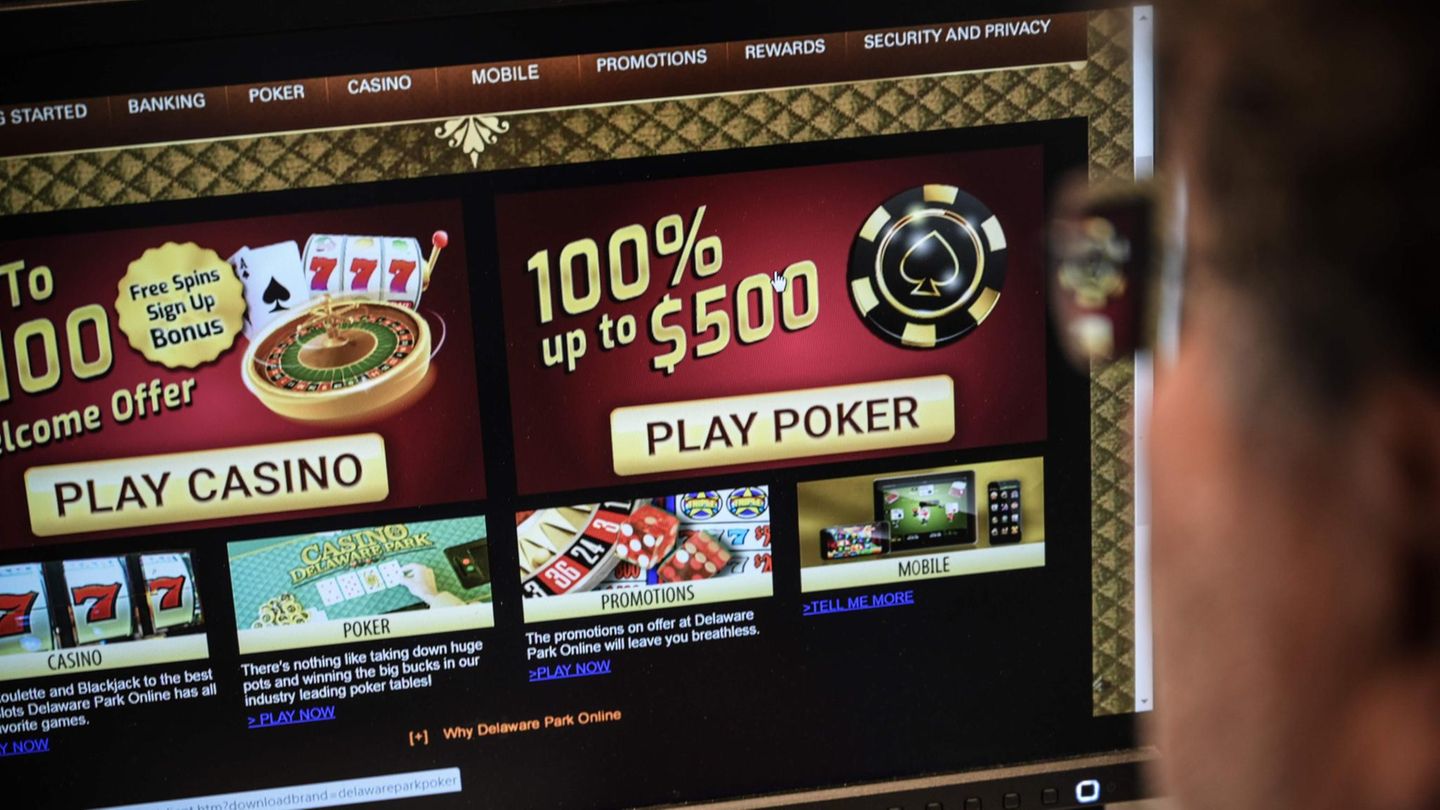
No reputable online casino self-validates its RNG. Instead, the industry relies on a small number of internationally acknowledged independent testing laboratories that review software and issue compliance certificates. Entities including eCOGRA, iTech Labs, GLI (Gaming Laboratories International), and BMM Testlabs are the guardians of fairness. These organizations hire mathematicians, cryptographers, and software engineers who dissect code, conduct billions of simulated rounds, and validate that the RNG cannot be altered after deployment. For Canadian-facing platforms, a certificate from one of these labs signals that the operator has accepted rigorous external scrutiny. The labs do not simply run a one-time check; they examine the entire game lifecycle, from the seed generation mechanism to the end output shown on a player’s screen, ensuring that no undisclosed backdoors or biased logic exist.
The Key Tenets of Equitable Random Number Generation
Impartiality in RNG design rests on three foundations: unpredictableness, uniform distribution, and non-repeatability over a suitably lengthy period. Unpredictability means that no player, manager, or outside viewer can forecast the next outcome with any edge. Uniform distribution ensures that over millions of cycles, every conceivable consequence emerges with the expected frequency—a roulette wheel that stops on black 60 percent of the time over a billion spins would flunk this test. Non-repetition, often assessed by the algorithm’s period length, ensures that the sequence does not repeat in a way that could be taken advantage of. Current certified RNGs employ cryptographic hash functions or physical entropy sources to fulfill these requirements. When a examination center examines an RNG, it conducts statistical suites like the NIST test suite or Diehard tests, looking for subtle biases that could alter the house edge beyond what is advertised.
The Function of Licensing Authorities in Canada
Canada’s gambling landscape is a collection of provincial and territorial regulations, but one common thread is the insistence on certified RNGs. In Ontario, for example, iGaming Ontario requires all registered operators to use games that have been tested by an accredited independent laboratory. Similarly, the Kahnawake Gaming Commission, which licenses many platforms serving Canadian residents, requires that RNGs meet strict technical standards. Even in provinces where online gambling is managed by a crown corporation, the underlying technology must pass periodic audits. We see these regulatory demands as a protective net for players. When Slotoro Casino aligns its operations with such requirements, it is not merely going through the motions; it is proving a commitment to a fair ecosystem where the outcome of every spin is beyond reproach. The licensing framework also provides a clear escalation path for disputes, reinforcing the credibility of the entire system.
The Reason Slotoro Casino Focuses On Certified RNGs
At Slotoro Casino, we have built our reputation on a cornerstone of verifiable fairness. Every game featured on our platform—from classic table games to the latest video slots—functions on an RNG that has been certified by a globally recognized testing laboratory. We do not depend on vague promises; we disclose the certification details and encourage players to verify them independently. This commitment extends to our affiliate partners, who can confidently promote a brand that stands up to scrutiny. For Canadian users, this means that when they visit Slotoro Casino, they are engaging with a product that meets the standards set by provincial regulators. We consider RNG certification not as a marketing bullet point but as a non-negotiable operating principle. It is the mechanism that ensures the house edge is exactly what we reveal, nothing more, and that every player has a genuine shot at a fair result.
Popular RNG Myths Dispelled
Despite the transparency offered by certifications, several myths continue among gamblers. We aim to tackle these falsehoods head-on, because they can skew perceptions and erode trust where it should be strongest. Listed are some of the most prevalent falsehoods we come across:
- Fallacy: A slot machine that has not paid out in a while is “due” for a win. Each outcome is separate; the RNG has no memory of previous spins, and the odds stay unchanged regardless of past results.
- Fallacy: Casinos can flip a switch to tighten or loosen games in real time. Certified RNGs are fixed and locked after approval. Any alteration would require re-certification and would be detected during routine audits.
- Myth: Playing at certain times of day yields better returns. The RNG does not track time or player volume. The algorithm generates numbers non-stop, unaffected by external factors.
- Myth: Bonus rounds use a different, less favourable RNG. A certified game uses the exact same RNG for all phases. The return-to-player percentage is computed comprehensively across the entire game cycle.
Debunking these misconceptions is part of our educational mission. When players understand that certified RNGs are numerically unable of the behaviours described in these rumours, they can zero in on the enjoyment rather than hunting for false sequences.
How Affiliates Are able to Verify Fairness Claims
Affiliates occupy a distinct position of trust between operators and players. When a website promotes Slotoro Casino or any other brand, its audience expects honest recommendations backed by evidence. We recommend our affiliate partners to look beyond the surface and verify RNG certifications directly. The first step is to locate the testing laboratory’s seal on the casino’s homepage or legal page, then click through to the certificate itself. Legitimate certificates include a date range, a list of games covered, and a unique identifier that can be cross-referenced on the lab’s website. Affiliates should also check whether the operator’s licensing body requires periodic RNG audits and whether those audits are publicly summarized. By performing this due diligence, affiliates protect their own credibility and help raise industry standards. We make this process straightforward by providing direct access to our certification documentation and remaining available to answer any technical questions our partners may have.
The Future of RNG Technology and Regular Audits
RNG technology is not static. As computing power increases and cryptographic techniques progress, the criteria for randomness become more rigorous. We are already witnessing a move toward quantum entropy sources and blockchain-based verifiable randomness, which could permit players to audit game outcomes independently without relying solely on a laboratory’s word. Meanwhile, regulatory bodies in Canada and abroad are strengthening their oversight, demanding more frequent re-certifications and real-time monitoring feeds. At Slotoro Casino, we applaud these developments because they align with our philosophy of radical transparency. Ongoing audits—often conducted monthly or quarterly—make sure that the RNG code deployed on our servers is identical to the version that was originally approved. Any deviation, even an innocent software patch, prompts a re-evaluation. This continuous cycle of testing and verification is the real story behind RNG certifications: it is not a one-time achievement but a permanent commitment to integrity.
We have examined the architecture of fair play, from the mathematical foundations of randomness to the laboratories that monitor it and the regulations that enforce it. RNG certifications are the silent guardians of every honest spin, deal, and roll. For Canadian players and affiliates alike, knowing how to interpret and confirm these credentials converts a simple trust statement into a verifiable fact. At Slotoro Casino, we remain committed to upholding the highest standards of RNG integrity, because a certified game is the only kind of game worth playing.